
08 Jul What is Tinto Fino (and how it differs from Tempranillo)
If you have ever read the back label of a Ribera del Duero, you will have seen the variety listed as “Tinto Fino” or “Tinta del País”. And if you know the wines of Rioja, you will know that there the queen grape is called Tempranillo. The question is inevitable: are they the same grape under different names, or different grapes?
The short answer: it is the same variety. The interesting answer: after centuries in the Ribera, it is no longer quite the same grape.
One variety, many names
Tempranillo is Spain’s great red grape and, like every travelling variety, it has received a different name in every land that adopted it: Tempranillo in Rioja, Cencibel in La Mancha, Ull de Llebre in Catalonia, Tinta de Toro in Toro… and Tinto Fino or Tinta del País in Ribera del Duero. The name “Tinta del País” is eloquent: it was, simply, the grape of this land, the one that had always been grown here.
Why Tinto Fino is no ordinary Tempranillo
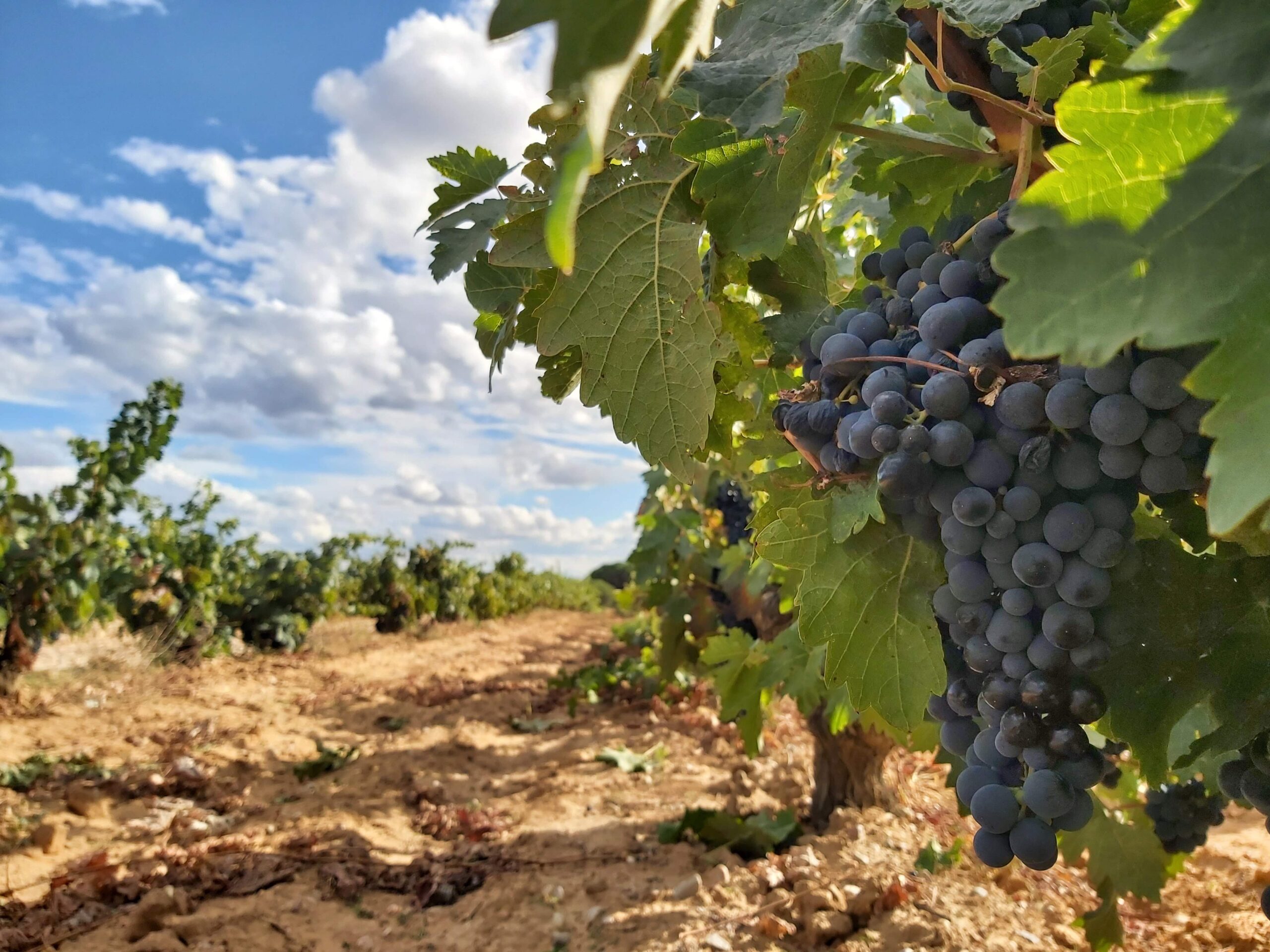
When a variety spends hundreds of years reproducing in the same place, it adapts to it. The Tinto Fino of Ribera del Duero is the result of that adaptation to unique conditions: the altitude (our vineyard lies between 800 and 850 metres, with cold nights even in August), the extreme climate (harsh winters, dry summers and a day-night temperature range that can exceed 20 degrees during ripening) and the poor soils of limestone, clay and sand that force the vine to work hard.
The result is a Tempranillo with thicker skins and smaller, looser clusters than in other regions: more colour, more tannin, more concentration. That is why a Ribera and a Rioja, though sharing a variety, resemble each other so little.
How you can tell in the glass
A Tinto Fino from Ribera del Duero is recognised by its intense colour, between cherry and purple; by its ripe black fruit — blackberry, plum, blueberry — over a background that ageing dresses in spice, vanilla and balsamic notes; and by a powerful, structured palate, with firm yet ripe tannins and a final freshness that betrays the altitude. It is a wine with a backbone: that is why it ages so well, and why the Ribera is a land of crianzas, reservas and grandes reservas.
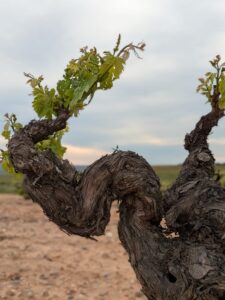
In our wines, moreover, the age of the vineyard adds another layer: old vines give less quantity and more depth, with that silky texture that only decades of roots can achieve.
A grape with a rulebook
The D.O. Ribera del Duero protects this heritage by requiring Tinto Fino to be the undisputed base of its reds, and in practice most Riberas — including all of ours — son Tinto Fino al cien por cien.
So the next time someone asks you whether Tinto Fino is Tempranillo, you know the answer: yes, it is Tempranillo… but a Tempranillo that has spent centuries becoming of the Ribera. And in the glass, it shows.
No Comments